
Renewal
The Disorientation of Beginnings

And just like that, winter’s over. Now we’re in a season called spring, which looks like fatigue. Soggy, flattened, wan.
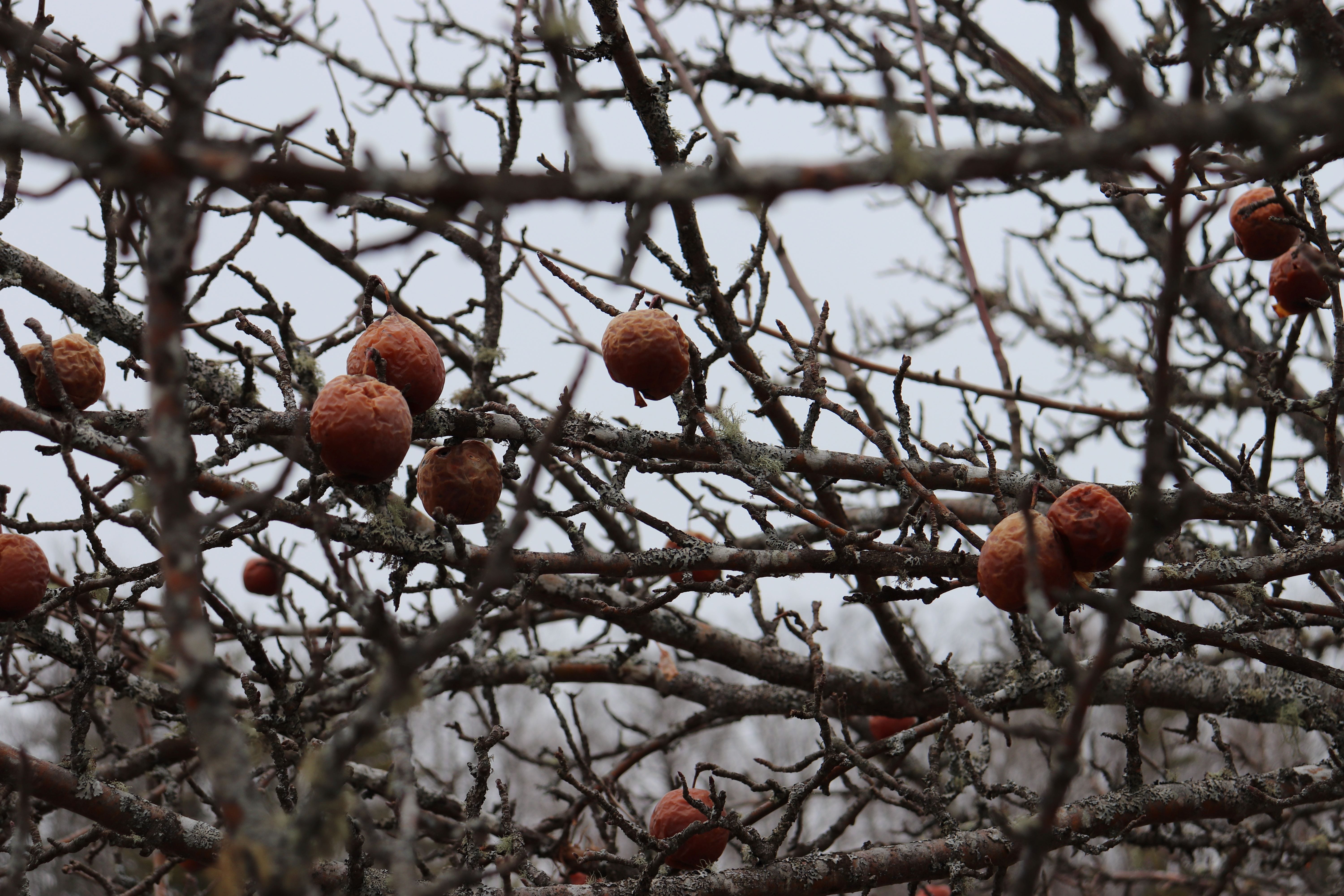
There’s a romanticism to beginnings: the fresh start, the blank slate. The awakening wonder of the river, freed of ice. Earth reappears after burial: sap dribbling into buckets, small flocks of robins listening to what’s stirring beneath our feet. Porcupine paws the damp ground and by starlight becomes a black boulder beside the apple tree, where last year’s fruit and stray birdseed provide a little nourishment for the hungry.
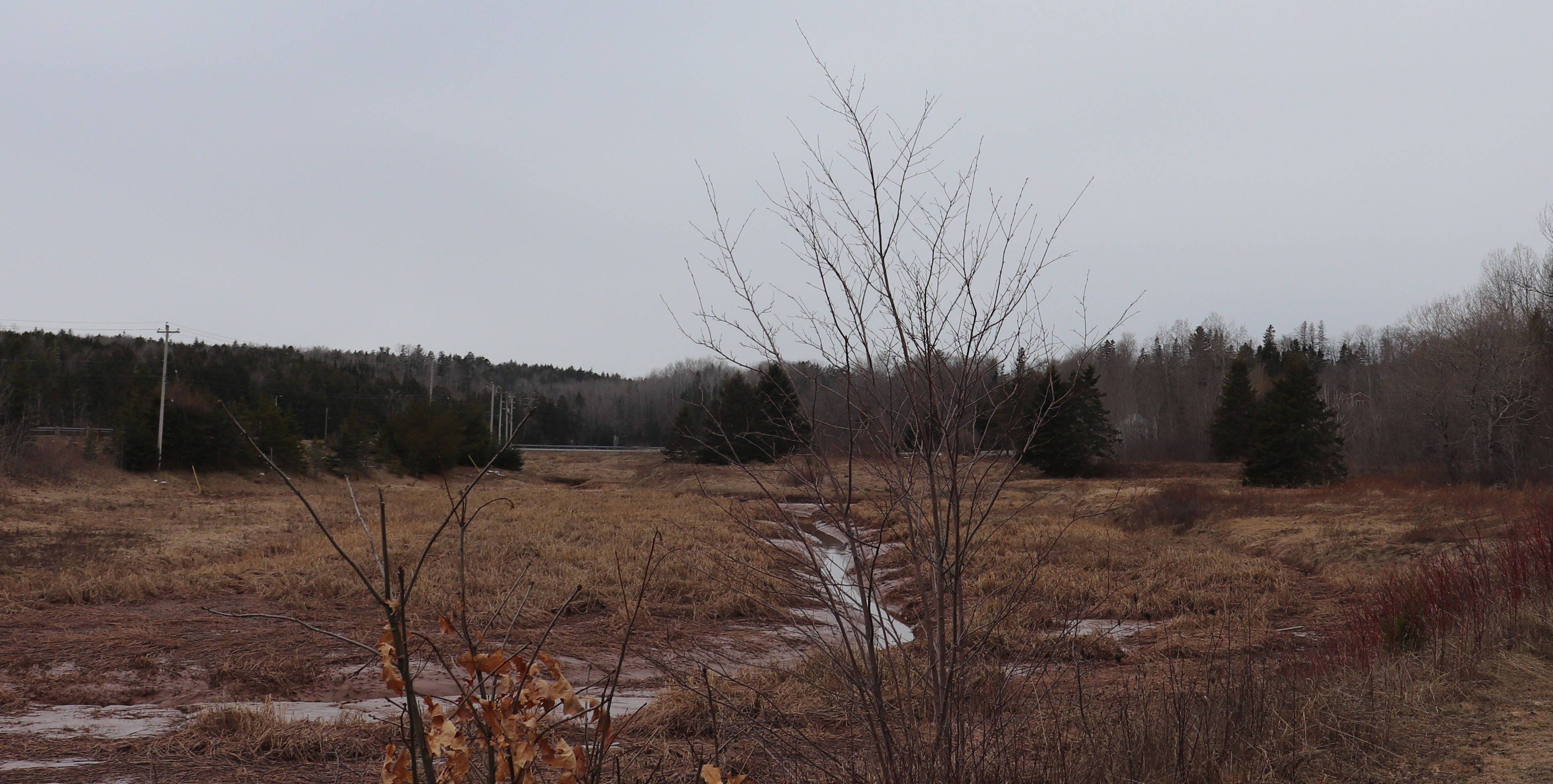
When the sun shines and birds sing, a beautiful anticipation rises: a knowing that renewal is a real event, not just an idea, a dream.
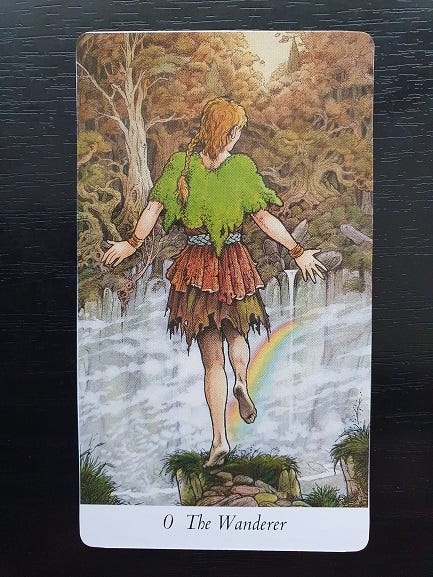
Yet most days are cold, grey, even desperate. Spring is the Fool stepping into the unknown: going on blind faith, as they must. It is the zero point of the journey. Energy must be gathered for that leap in a whole new direction—yet after winter’s long haul, only crumbs are left.
In my experience, beginnings fall into the most challenging periods of life. Starting at a new job or school, moving to a new location; the first months of a relationship, in marriage or loss, and so on. These are the outward signs of an old state laid to rest; the tether is gone, another process begun. This year I’m even starting out spring one-handed, plaster-casted after breaking my wrist on one of the last icy days.
The beginning is where the story starts. It begins here because here is where the old pattern breaks, freeing the new energy. As any writer knows, how you begin, the intentions set, influence everything that follows. But how do you know how to begin, when there’s no path to follow? Beginnings are disorienting, uncertain, fragile, rocky. They are the newborn lamb my friend texted me a photo of yesterday: all wet eyes and bony head, too weak to stand.
Renewal sounds dramatic. In truth it happens in fits and starts: through dogged commitment to seeing through the change that’s arrived to liberate us from the old pattern. To offer us another chance. We hold seeds that haven’t yet sprouted, weave a nest from last year’s leavings. Search for inspiration.
*
In this region, lambs and other young farm animals can sicken and quickly die from white muscle disease. This is caused by insufficient selenium in the soil, and thus in the plants the animals eat. Selenium is an essential trace mineral, a building block of life; there’s no treatment, once the disease is set in. Soil selenium is low here and elsewhere in North America mainly because monoculture depletes it. Growing the same crop over vast areas, using pesticides, not allowing the plants that would naturally replenish minerals to grow—the dominant agricultural method—drains away nourishment needed by all. Agriculture is practised this way through economic pressure and ignorance. It will take generations for the soil to be replenished.
That pressure is a counterforce to renewal. Reading the excited chatter about the massive, rare earth elements mining project slated for Strange Lake, Quebec, I’ve felt a hallucinatory sense that colonial barons are transmitting from another century. The gold rush. The timber rush. The market for beaver pelts. The lust for money and power is founded always on entitlement to bodies: to ravage them for anything they have to give. Bodies of water, animals, lands, slaves, citizens. Nothing is off the table, including the very most vulnerable, as we’ve learned through the release of the (still only partial) Epstein files and the histories of residential schools.1
This behaviour has patterned our culture for millennia. The psychos are in charge, cloaked in riches, education, and seeming achievement. It is the wetiko disease, empire, and it has us by the throat. It dives into bodies and minds, trains us to see life its way. Take whatever you can for yourself, your country, your family. Leave the damage to others.2
Sitting with Strange Lake, and the wars being waged against Iran, Gaza, and beyond— which our Prime Minister refuses to morally condemn or act against as a peacemaker—I wonder when collectively we will refuse this mad economy, upheld by both Left and Right politics. Refusing doesn’t mean that the current ways immediately cease. Refusing means that we have decided to break the pattern. We are committed to a new direction, and therefore, all conversations change. There can be no more hand-rubbing glee about Strange Lake, because we recognize that this is another shit project, even if we don’t quite know how to proceed otherwise. We can stop arguing about who’s better to lead us when we recognize that neither side opposes war-making. And that these arguments divide and deplete us.
In Apeirogon, Colum McCann’s novel about two peace activists, one Palestinian, one Israeli— characters based on real people—there’s a scene where the opposing sides meet for the first time in a hotel conference room. This is the zero point in the journey. They have come to discuss the wild possibility of forming an organization dedicated to peace. Nervous, skeptical, yet desperate, every person present has been broken by loss. For hours they talk about the weather, smoke, eat, and feel about for a path. Nothing much happens. The meeting ends without a fight or plan; they leave. Then they show up again.
We can have much better conversations, and help each other, on the way to a better world. The process has already begun. This I know because of what spring shows us every year. Though its beginning is fragile, renewal—the ‘force that through the green fuse drives the flower’— is real, and unstoppable3.
Notes
1. See The Knowing (2024) by journalist Tanya Talaga for a personal and widely researched account of Canada’s residential school system.
2. Pollution from mines can linger for millennia. For example, an ancient Roman copper mine in Jordan is still polluting the land: “To this day, ‘the growth of the plants is stunted and their reproductive systems severely damaged.’ The sheep there still have disturbing concentrations of copper in their feces, urine, and milk. Goats from the area are in high demand because they have no parasites, ‘but this is almost certainly because their guts are poisonous.’ A deathly monument of slag still rises 30 meters high” (14). From Bright Green Lies by Derek Jensen, citing an article by David Keyes called “How Rome Polluted the World.”
3. With thanks to Dylan Thomas. After a night of being tended by human caregivers, the little lamb got to its feet.
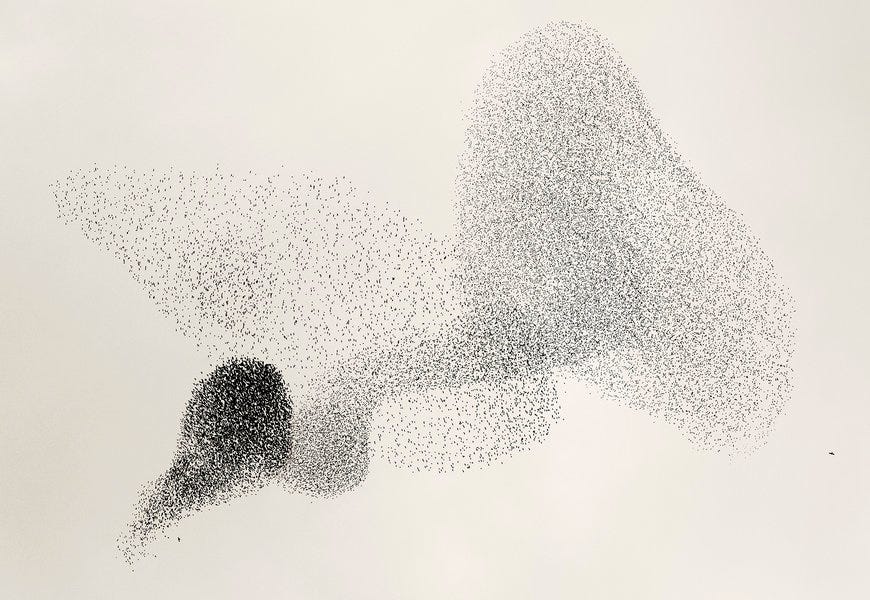
I found this an exciting essay to read. It stirred me up (in a good way) so that I had to walk around for a bit after reading it. It has the excitement of spring, of beginnings. I particularly love the way it gathers many disparate threads—nature observation, Tarot, selenium depletion (had never heard of that), Strange Lake (indeed!)—into a weave that feels relaxed, yet propulsive. It is like the murmuration of starlings—many small live beings flocking to make a mysterious scarf. And so glad the lamb made it through!
gorgeous!! and as usual full of factoids very much worth noting.